Skin Fade Haircut: Ultra-Clean Bald Fade Guide
Skin fade haircuts create maximum contrast and the sharpest look possible. Here's everything you need to know about getting, maintaining, and rocking a bald fade.
What Is a Skin Fade Haircut?
Skin fade haircuts go by several names - bald fade, zero fade, razor fade. They all mean the same thing: a fade that transitions all the way down to completely bare skin. No stubble, no #0.5 guard, actual smooth skin at the bottom.
Here's what happens with a skin fade. Your barber starts with the longer hair on top (whatever length you want - 2 inches, 4 inches, whatever). Then they create a gradual transition using progressively shorter clipper guards. As they work down toward your neckline and around your ears, the hair gets shorter and shorter until it reaches bare skin.
The final step is what makes it a true skin fade: using an open clipper blade (no guard) or a straight razor to blend that last bit down to smooth skin. When done right, the transition is so smooth you can't see where the hair ends and the skin begins. That's the art of it.
Why Skin Fades Are So Popular Right Now
Walk into any barbershop in Queens and you'll see at least half the guys getting some variation of a skin fade. It's not a trend that's going away anytime soon. Here's why it works.
Maximum contrast. A skin fade creates the sharpest possible distinction between your hair and your skin. It's bold, it's clean, and it makes a statement. If you want people to notice your haircut, a skin fade does that job.
Works with any top style. Textured crop? Skin fade. Slicked back? Skin fade. Curly hair on top? Skin fade still works. The bald sides are like a blank canvas that makes whatever you do on top look more intentional and styled.
Shows off your hairline. If you've got a strong hairline and good facial structure, a skin fade shows it off. It's basically saying "yeah, I can pull this off" - and when executed well, you absolutely can.
High vs. Mid vs. Low Skin Fade
"Skin fade" tells your barber where the fade ends (at skin), but you also need to specify where it starts. That's the high/mid/low part.
High skin fade: Starts way up near the crown of your head. Maximum contrast, maximum boldness. This is the most aggressive option. Works great if you're younger, work in a casual environment, or just don't care about looking edgy. Requires weekly maintenance to stay sharp.
Mid skin fade: Starts around temple height (middle of your head). This is the sweet spot for most guys - bold enough to be noticeable, conservative enough to work in most professional settings. Needs maintenance every 1-2 weeks.
Low skin fade: Starts near your ear, stays lower overall. This is your "skin fade but make it professional" option. Works in more conservative workplaces while still giving you that clean aesthetic. Can stretch to 2-3 weeks between cuts if you're okay with it softening up a bit.
At DIDA NYC, most guys go for mid or low skin fades. High skin fades are popular with younger clients and guys in creative fields. But honestly, all three look great when done properly.
First Skin Fade? Start Lower
If you've never had a skin fade before, start with a low or mid placement. You can always go higher on your next cut if you want more contrast. Going from a high skin fade to something more conservative is way harder - you have to wait for it to grow out first. Start conservative, then experiment.
How to Ask for a Skin Fade
Here's exactly what to say when you sit in the barber chair:
"I want a [low/mid/high] skin fade, take it down to skin, and keep [describe what you want on top]."
That covers the placement (low/mid/high), the endpoint (skin), and gives direction for the top. Add more details if you want:
- "Keep the lines really crisp" - if you want sharp edges
- "Blend it really smooth" - if you want a gradual transition
- "Add a hard part" - if you want a shaved line
- "Textured on top" or "slicked back" - for styling direction
If you have a reference photo, show it. Instagram is full of skin fade examples (check out @dida_hair_studio for real examples from our shop). A picture eliminates any confusion about what you want.
The Maintenance Reality
Let's be real about this: skin fades require more maintenance than any other haircut. If you're not ready for frequent barber visits, a skin fade might not be for you. Here's what to expect.
Days 1-5: Your fade looks absolutely perfect. Crisp lines, smooth blend, everything's on point. Enjoy this window - it's what you're paying for.
Days 6-10: Still looks good, but you'll notice the skin section isn't quite as smooth anymore. Hair is starting to grow back in that bald section. The fade is softening a bit. Most guys come back around day 10-14.
Days 11-14: The skin fade is mostly gone now. You've got visible stubble where the skin used to be. The fade still exists but it's not nearly as dramatic. If you want to maintain that ultra-clean look, this is your deadline for coming back.
Beyond 2 weeks: At this point, you don't really have a skin fade anymore - you've got a regular fade that's grown out. The hair is probably 1/4 to 1/2 inch where it used to be skin. You can absolutely wait longer, but don't expect it to look like a skin fade.
Bottom line: Budget for barber visits every 1-2 weeks if you want to keep a skin fade looking sharp. That's just the reality of the cut. If you can't commit to that schedule, consider a regular fade that stops at a #1 or #0.5 instead of going all the way to skin.
Styling a Skin Fade
The good news: the sides take care of themselves. The skin fade is already styled - you don't need to do anything to it. Your styling effort goes entirely into the top. Here are three common approaches.
Style 1: Textured and Natural
Best for: Casual settings, relaxed vibe, showing off natural texture
- Start with damp hair after showering
- Apply a small amount of matte clay or paste
- Work it through with your fingers
- Push hair forward and up slightly
- Use fingertips to create separation and texture
- Let it air dry or use a blow dryer for more volume
Time: 3-5 minutes | Products: Matte clay, optional blow dryer
Style 2: Slicked Back
Best for: Professional settings, formal events, clean polished look
- Start with damp hair
- Apply medium-hold pomade (more shine) or cream (less shine)
- Use a comb to push everything straight back
- Smooth down any loose hairs with your hands
- Optional: add a small amount of hairspray to lock it in
Time: 4-6 minutes | Products: Pomade or cream, comb, optional spray
Style 3: Messy and Forward
Best for: Weekend casual, younger look, effortless vibe
- Start with dry or slightly damp hair
- Rub a small amount of sea salt spray through
- Push hair forward with your hands
- Scrunch and manipulate until you get the messiness you want
- Leave it intentionally imperfect
Time: 2-3 minutes | Products: Sea salt spray or light paste
Who Should (and Shouldn't) Get a Skin Fade
Skin fades aren't for everyone. Here's an honest assessment.
Skin fades work great if you:
- Can commit to barber visits every 1-2 weeks
- Work in a casual or creative environment
- Like bold, attention-getting styles
- Have good facial structure and hairline
- Don't mind spending time and money on maintenance
- Want maximum contrast in your haircut
Consider something else if you:
- Work in a very conservative corporate environment (unless you go low)
- Can't afford weekly or biweekly barber visits
- Prefer lower-maintenance haircuts
- Have a receding hairline you're self-conscious about (high skin fades emphasize this - though scalp micropigmentation can help address recession)
- Have sensitive skin that gets irritated easily
That said, a low skin fade can work in most professional environments. It's the high and mid placements that read as more aggressive. Talk to your barber about what makes sense for your lifestyle.
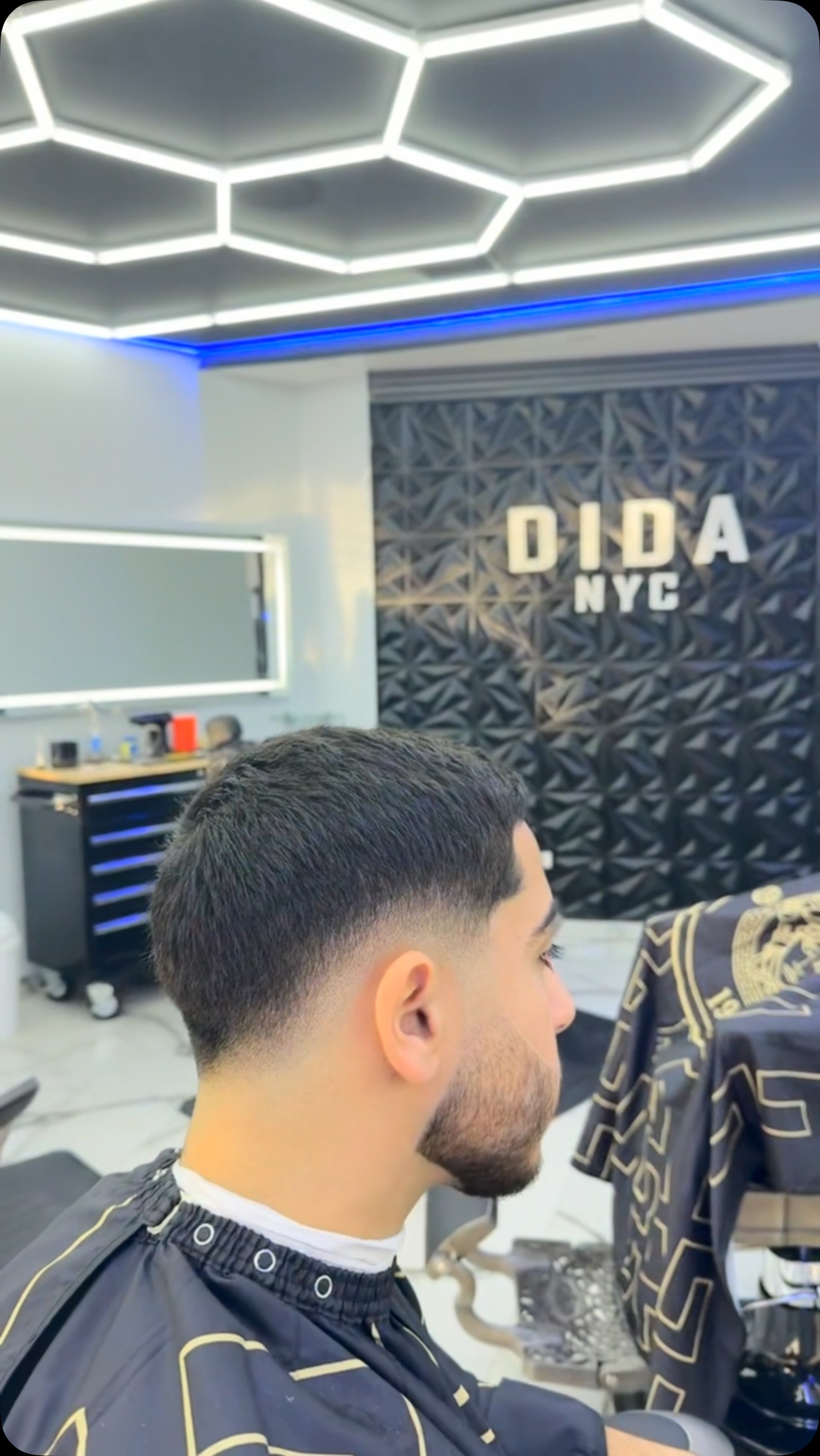
REAL SKIN FADE EXAMPLES FROM DIDA NYC
See actual skin fade haircuts we've created for customers in Queens
Follow @dida_hair_studio for daily examples
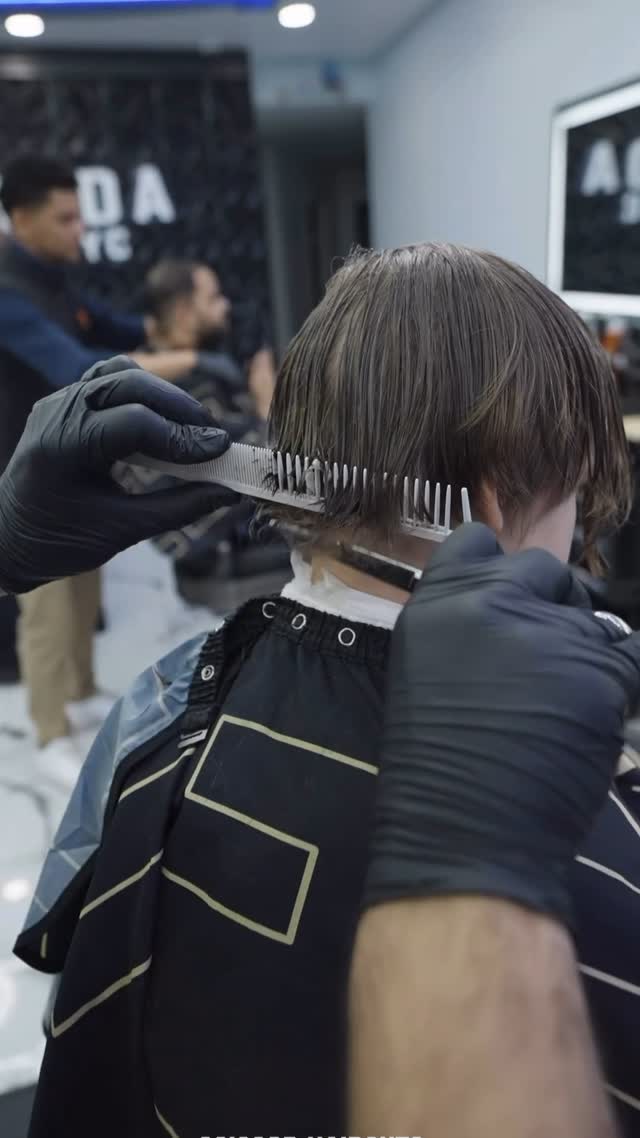
We listen to our customers and go by the style of they're preference
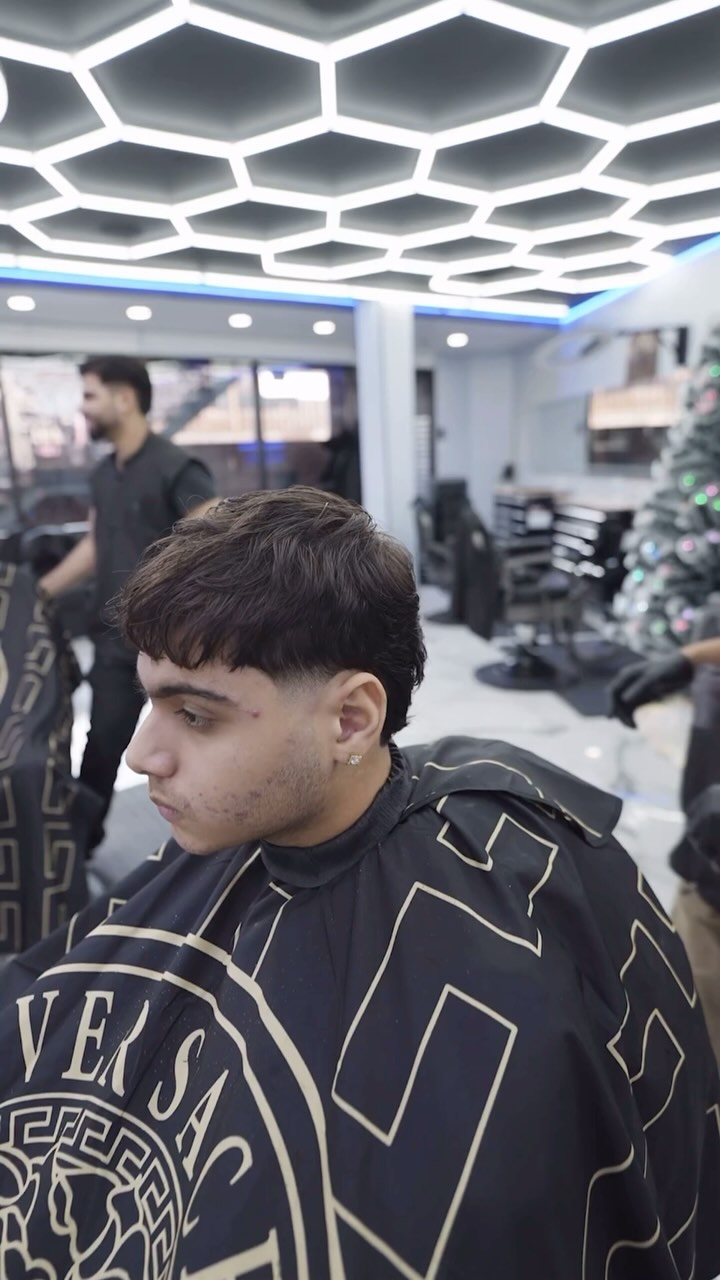
The key to success in every business comes down to one word
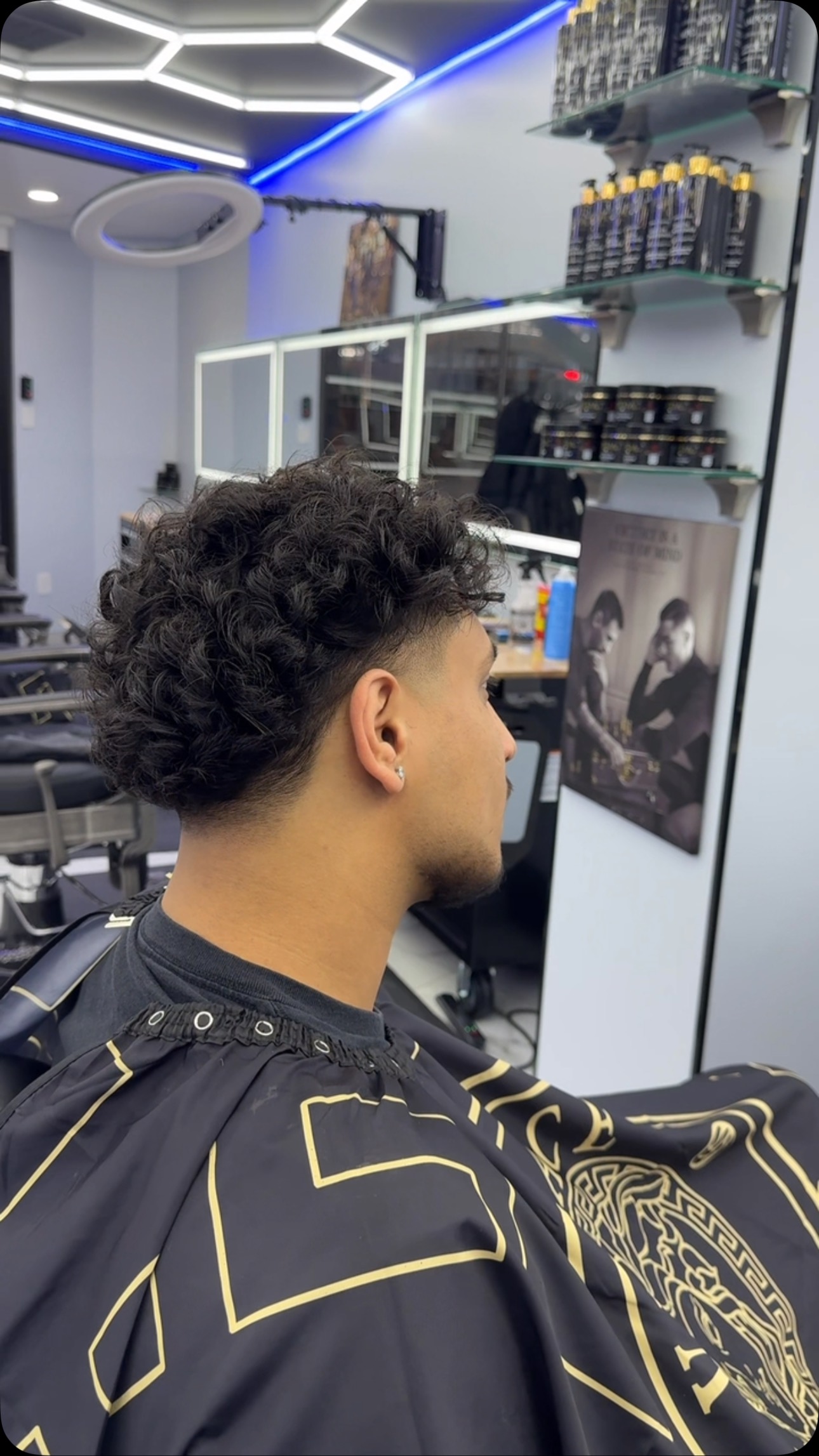
Professional barbershop haircuts and fades
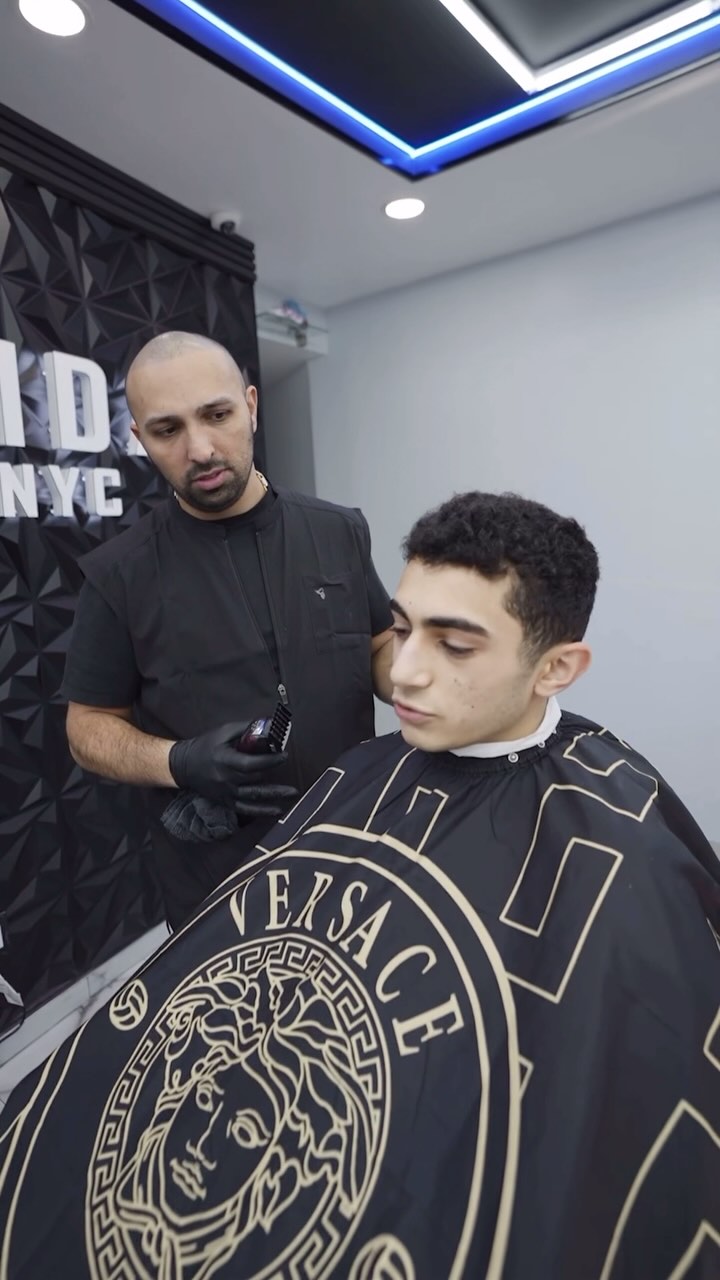
The things we wish we knew before we started cutting hair
92-29 queens blvd the place to be for you're haircuts stop by anytime
92-29 queens blvd the place to be for you're haircuts stop by anytime
Common Skin Fade Problems (And Solutions)
We see these issues all the time. Here's how to fix them.
Problem: Razor burn or irritation after the cut.
Solution: This usually happens when blades are dull or too much pressure is applied. Make sure your barber is using sharp, clean tools. After your cut, apply a post-shave balm or aloe vera to the shaved areas. If it keeps happening, ask your barber to use clippers only (no razor) or consider stopping the fade at a #0.5 instead of going to full skin.
Problem: The fade looks choppy or has visible lines.
Solution: This is a blending issue. A proper skin fade should have zero visible lines - it should look like one continuous gradient from long to skin. If you're seeing lines, you need a different barber. Blending a skin fade properly takes skill and experience. Don't settle for choppy work.
Problem: The skin section grows out patchy or uneven.
Solution: This is usually just how your hair grows, not a cutting issue. Some guys have uneven hair growth patterns. Not much you can do except come back more frequently to keep it cleaned up. If it really bothers you, consider stopping the fade at a #1 instead of going to skin - that hides uneven growth better.
Skin Fade at Home? Don't Do It
Look, we're all for saving money where you can. But attempting a skin fade at home is how you end up with a disaster that takes months to fix. Here's why you need a professional.
Blending to skin requires skill. It's not just using progressively shorter guards. You need to know how to manipulate the clippers at different angles, how much pressure to apply, where to start and stop each section. That takes years of practice.
You can't see the back of your head. Even with mirrors, you can't see what you're doing back there. Professional barbers can see the whole picture and maintain consistent blending all the way around.
Home clippers aren't the same. Professional clippers have more power, better blades, and allow for finer adjustments. Those $40 clippers from the drugstore aren't going to give you the same results.
If you want to maintain your neckline at home between cuts, fine. But leave the actual fade to the professionals. The $45 you spend at DIDA NYC is worth it to avoid looking like you lost a fight with your bathroom mirror.
Book Your Skin Fade at DIDA NYC
Ready for a skin fade? Come see us at DIDA NYC Hair Studio in Rego Park, Queens. We've been cutting skin fades for over 20 years - we know how to create that smooth, seamless blend that makes a great skin fade.
Located at 92-29 Queens Boulevard, accessible by M/R subway lines or multiple bus routes. Book your appointment online or walk in. And check out @dida_hair_studio on Instagram to see fresh cuts every day.
FREQUENTLY ASKED QUESTIONS
GET YOUR SKIN FADE HAIRCUT TODAY
Professional skin fades by expert barbers with 20+ years of experience