Low Fade Haircut for Black Men: 2026 Barber Guide
A low fade on textured hair can look clean, sharp, and professional without sacrificing curl pattern or wave progress. This DIDA guide breaks down the barber decisions that matter most: fade height, lineup shape, beard connection, maintenance, and styling.
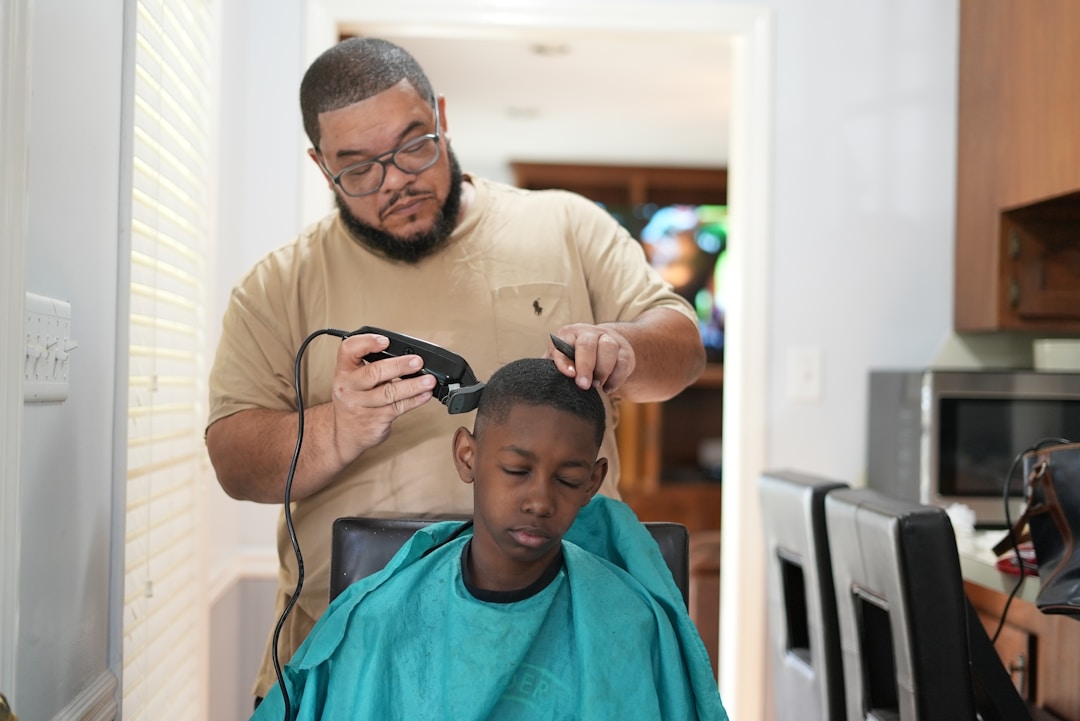
For Black men, the best low fade usually keeps the fade below the temple, preserves enough density for waves/curls/coils on top, and pairs the cut with a crisp but natural lineup. If you wear a beard, the temple transition should connect the haircut and beard instead of looking like two separate shapes.
- Waves, curls, coils, twists, sponge texture, and short afros
- Men who want clean sides without taking the fade too high
- Beard blends and lineup-focused grooming
- Professional looks that still preserve personality
- You want an extremely pushed-back hairline
- The fade is taken too high for your head shape
- Your barber ignores cowlicks or wave direction
- You do not want regular lineup maintenance
What to ask your barber for
Ask for: “a low fade that keeps my natural shape, a clean lineup without pushing the corners back, and a smooth transition into my beard if we are blending it.” If you wear waves, mention your brush pattern before the cut starts.
DIDA fade strategy
The lineup should sharpen what is there, not move the natural hairline backward. Conservative corners age better between visits.
Coils, curls, and waves reflect light differently, so the fade has to be judged visually, not mechanically.
When the beard is part of the look, the temple blend controls the whole silhouette.
Low fade decision table
Use this before your appointment so the fade matches your hair, face shape, and routine.
| Factor | Recommendation | Why it works |
|---|---|---|
| Fade option | Low taper, drop fade, or low skin fade | These keep the cut sharp while preserving top texture. |
| Hairline | Natural crisp lineup | Looks cleaner long-term than pushing the line too far back. |
| Beard | Temple blend into beard length | Creates one connected grooming shape. |
| Styling | Wave brush, curl sponge, or light moisturizer | The product/tool should support the natural pattern rather than flatten it. |
Low fade vs taper for textured hair
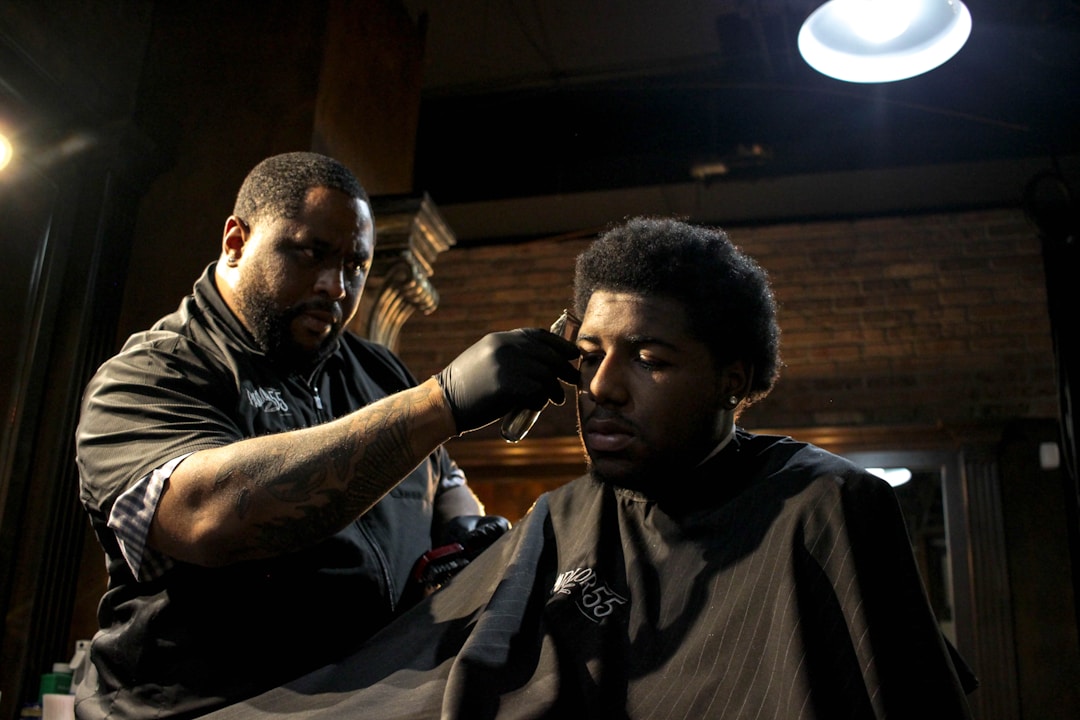
A low fade removes more weight and creates a stronger contrast. A taper is softer around the temple and nape. For many Black men, the best answer is a low taper fade: clean enough to read sharp, soft enough to grow out naturally.
- Choose a taper for conservative work settings
- Choose a skin fade for maximum contrast
- Choose a drop fade if head shape needs contour
- Keep the neckline consistent with the temple shape
Lineup rules that matter
A lineup can make the whole haircut look premium, but over-sharpening damages the shape over time. DIDA barbers prioritize a clean edge that respects the natural density and corner position.
- Do not chase a perfectly straight line if it pushes corners back
- Use enhancements sparingly if at all
- Keep the c-cup balanced with the fade
- Match the lineup to beard density
Waves, curls, coils, and sponge texture
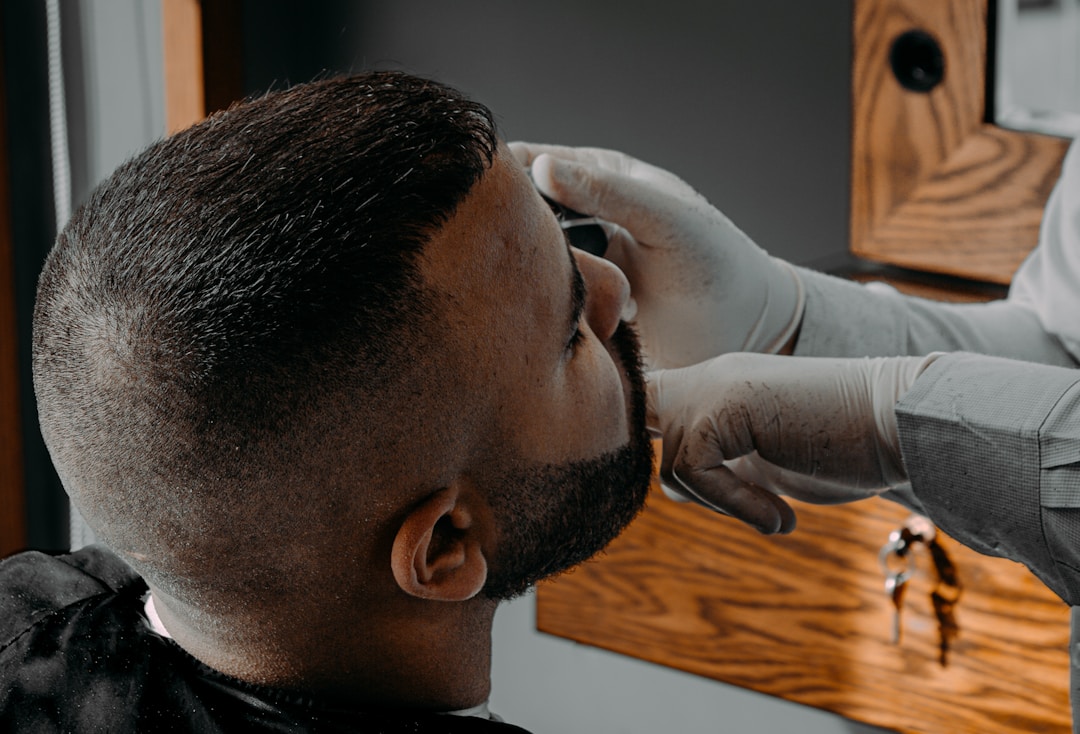
Each texture needs a different finish. Waves need direction preserved. Curls need hydration and shape. Coils need even graduation so the fade does not look patchy under different lighting.
- Tell your barber if you are wolfing
- Avoid cutting against your wave progress
- Use moisturizer before heavy hold products
- Refresh the lineup between full cuts if needed
Mistakes that make the cut look worse
Maintenance schedule
Products that support the style
Use before styling when the top needs control, softness, and less frizz without making the hair heavy.
View productBest for natural texture, medium control, and a no-shine finish on crops, fringe, waves, and everyday low fades.
View productUse when you want a stronger, more polished finish for side parts, long tops, beard blends, or cleaner business styling.
View productBook a low fade consultation in Queens
Bring a screenshot, tell us how often you want to maintain it, and we will adjust the fade height, top length, and styling product to your hair—not just copy a random reference photo.