How to Ask for a Low Fade Haircut in 2026
A low fade sounds simple, but small wording changes can lead to a totally different haircut. This guide gives you the exact language DIDA barbers wish every client used before the first pass.
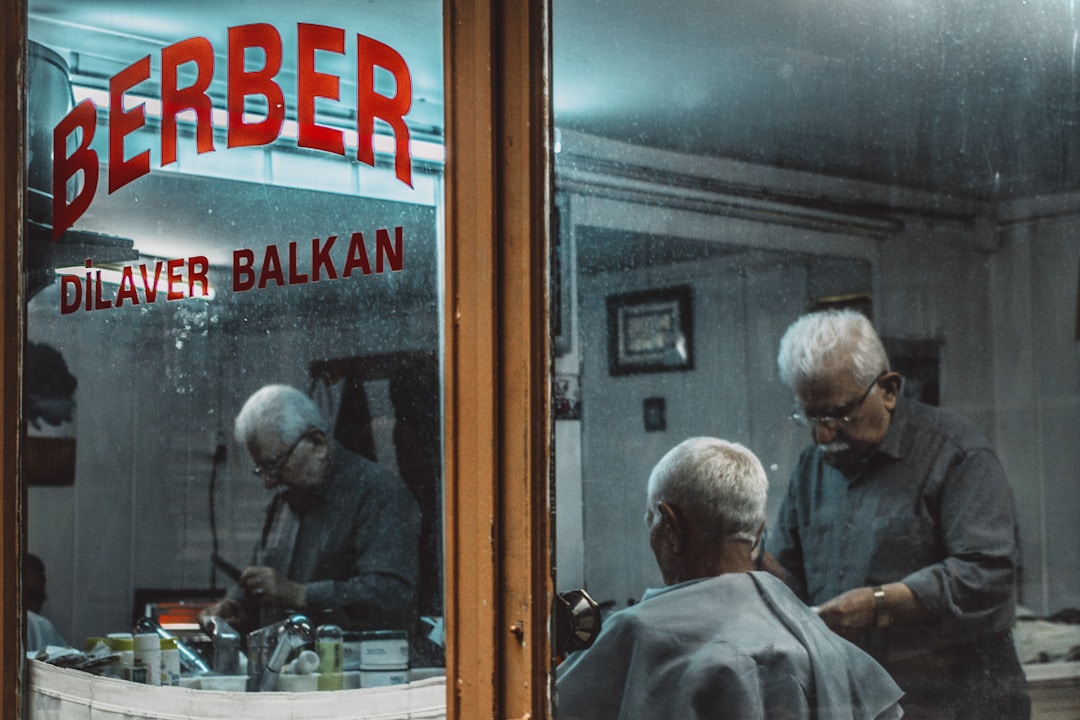
To ask for a low fade, say: “Keep the fade low around the temple and nape, blend it smoothly into the top, and leave enough length on top for [your style]. I want the neckline [natural/squared/tapered] and the sideburns/beard blended [soft/sharp].” Then show a photo and say what you like about it.
- Anyone nervous about explaining a fade
- Clients changing barbers or trying DIDA for the first time
- Men who know what they dislike but not the barber terms
- Low fades with beard, long top, curls, waves, or thick hair
- You only say “do whatever” but have strong preferences
- You show one photo and cannot explain what you like
- You forget to mention work dress code or maintenance
- You wait until the end to mention the top length
What to ask your barber for
Use this: “I want a low fade, not a mid or high fade. Keep the transition below the temple, blend into the top naturally, clean up the neckline, and leave the top long enough to style [describe style]. If my hair texture needs adjustment, tell me before cutting.”
DIDA fade strategy
Low, mid, and high are not interchangeable. Say where you want the fade to sit.
The fade should support the top style: crop, quiff, fringe, waves, curls, or slick back.
A 2-week skin fade and a 4-week soft taper are different haircuts.
Low fade decision table
Use this before your appointment so the fade matches your hair, face shape, and routine.
| Factor | Recommendation | Why it works |
|---|---|---|
| Phrase | “Low fade below the temple” | Prevents the fade from creeping into mid-fade territory. |
| Top | Name the style or show a reference | The blend changes based on the top length and direction. |
| Finish | Natural, matte, polished, or sharp | Helps the barber choose product and edge detail. |
| Maintenance | Say 2, 3, or 4 weeks | Controls how aggressive the fade should be. |
The exact questions your barber needs answered
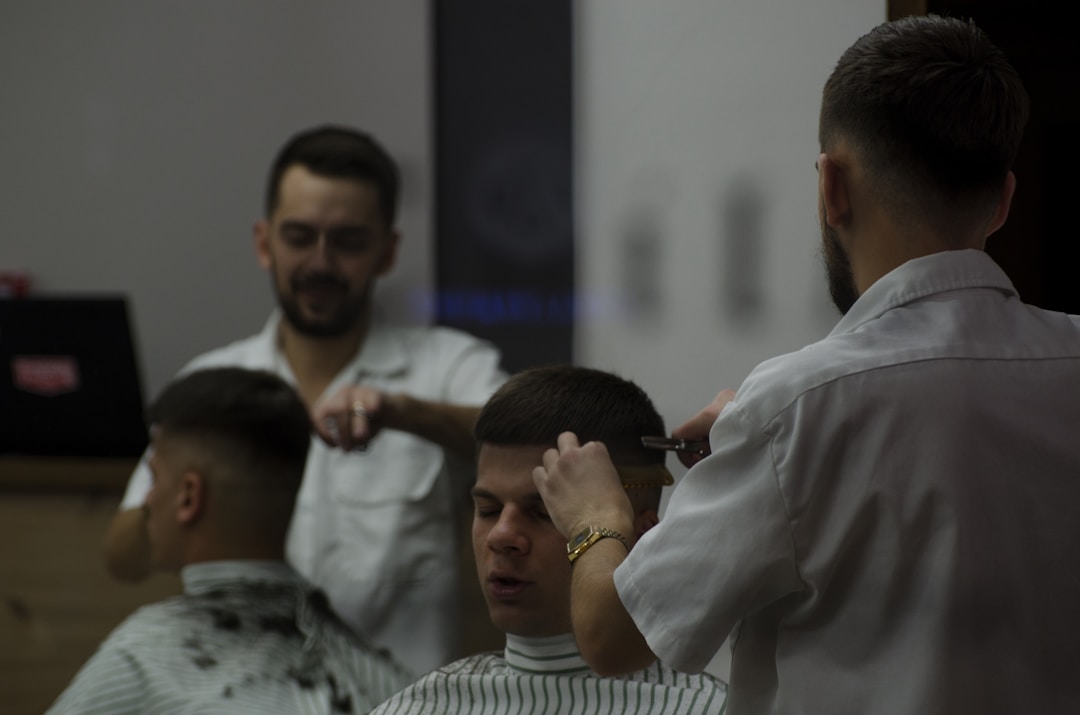
Before the cut starts, your barber needs to know fade height, shortest length, top style, neckline, sideburn/beard plan, and how you style your hair at home.
- How low should the fade stay?
- How short should the shortest area be?
- What happens to the top?
- Do we blend into facial hair?
Photo references: what to say
Do not just show a photo and go silent. Point out the part you like: the low temple, the blurry blend, the textured top, the neckline, or the beard transition.
- Use 1-2 photos max
- Say what you like and dislike
- Mention your hair texture difference
- Ask if it works for your head shape
Common barber terms translated
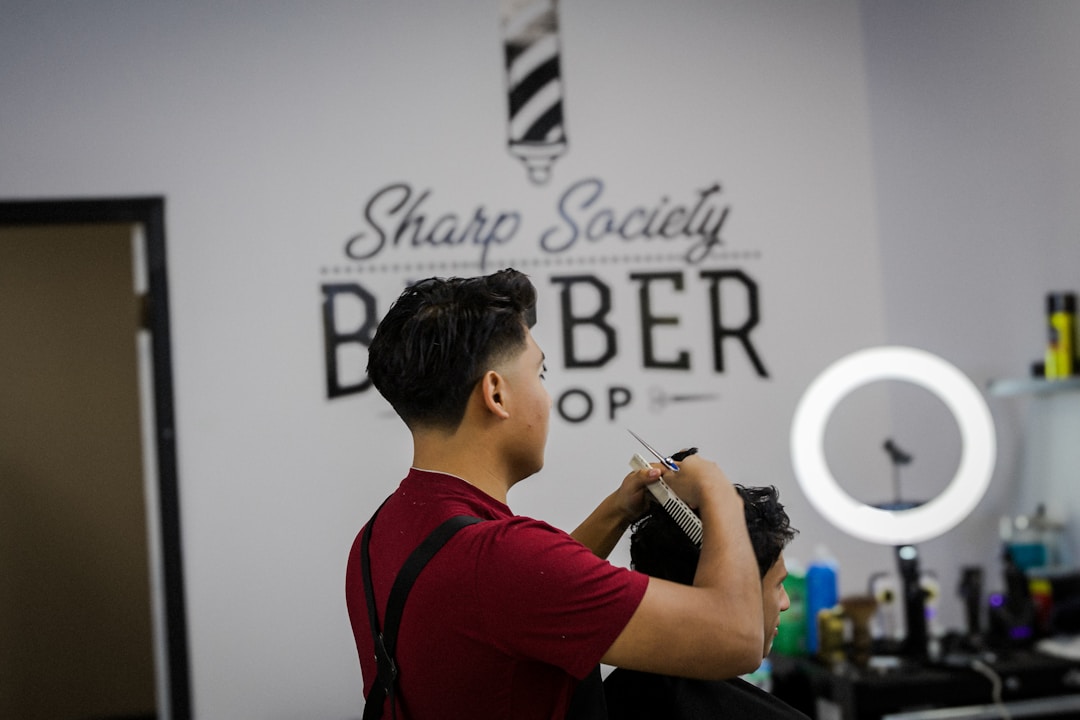
A taper usually cleans sideburns and neckline. A low fade removes more hair above those areas. A skin fade goes to skin. A drop fade curves lower behind the ear.
- Low taper = softer and conservative
- Low skin fade = sharper contrast
- Drop fade = curved shape
- Burst fade = around the ear, not a standard low fade
Mistakes that make the cut look worse
Maintenance schedule
Products that support the style
Use before styling when the top needs control, softness, and less frizz without making the hair heavy.
View productBest for natural texture, medium control, and a no-shine finish on crops, fringe, waves, and everyday low fades.
View productUse when you want a stronger, more polished finish for side parts, long tops, beard blends, or cleaner business styling.
View productBook a low fade consultation in Queens
Bring a screenshot, tell us how often you want to maintain it, and we will adjust the fade height, top length, and styling product to your hair—not just copy a random reference photo.